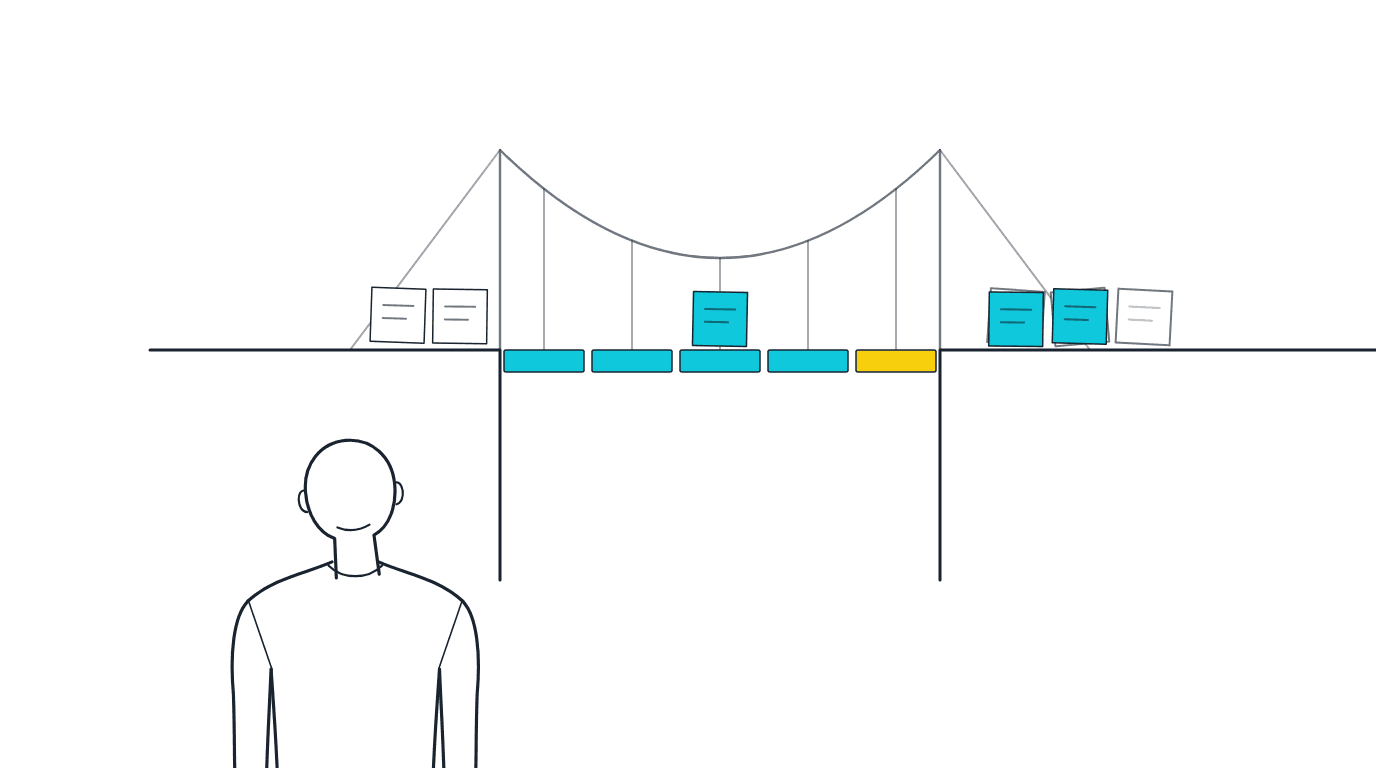
Understanding debt is the bill for code nobody can explain
Last week's outages were not an attack, and nobody has shown that AI caused them. They are still a fair picture of a risk that grows when fewer people must answer for more change than they understand.

Between Thursday, November 12 and Tuesday, November 17, seven American institutions had outages their customers or staff could see. Microsoft 365 was down for nearly 24 hours. The FAA ordered a nationwide ground stop that lasted four and a half hours. United Airlines, JPMorgan Chase, Apple, Marriott and the National Security Agency followed within days.
The Director of National Intelligence, Jay Clayton, told reporters: "This is not cyberattack, and this is not a coordinated effort by a nation state." The Homeland Security Secretary went on Fox News and said he believed it was "the SI", meaning superintelligence, on the word of one unnamed contact in the tech industry.
I don't think we were attacked, and I don't think a rogue AI did this. I do think the week is a fair picture of a risk I see building inside engineering organizations, and the risk has a name.
Each organization gave an ordinary cause
Officials call the seven incidents unrelated. This is what each organization said, as reported by CNBC, Fortune, The National News Desk and Reuters.
| Date | Organization and outage | Reported cause |
|---|---|---|
| Nov 12–14 | Microsoft 365Email and other workplace tools were unavailable. | A software bug that had gone undetected since July, combined with higher traffic and reduced server capacity. |
| Nov 13 | FAAA nationwide ground stop lasted 4½ hours. | A newly installed router at a facility in Arkansas, with the root cause still under investigation. |
| Nov 16 | United AirlinesAbout 150 flights were delayed. | No cause named. United said it saw no sign of a cybersecurity issue. |
| JPMorgan ChaseSome banking services were disrupted. | A software bug in an on-premise hardware system. | |
| Nov 17 | AppleiCloud and Apple Pay were disrupted. | “An internal update” |
| NSANetwork service was disrupted. Critical systems stayed online. | A “temporary degradation” during scheduled maintenance. | |
| MarriottMembers had trouble signing in to the website and app. | Marriott described it as a technical issue. |
A dormant bug, a new router and a routine update have caused outages in every decade of computing. I take these explanations at face value.
Several of them have fewer people than they did
Reuters reported one more thing about that list. Several of the organizations on it have cut staff or offered buyouts in the past two years, and one told investors that AI had helped it shrink its management ranks. The same report is careful about what that means: "there is no evidence job losses at any of these places led to the disruptions."
I agree with that sentence, and nothing below depends on it being wrong. Most large employers have cut staff and adopted AI since 2024, so finding both on a list of seven proves nothing about the seven.
It does describe the conditions for the risk. Liz Fong-Jones, who has spent twenty years on software resilience, gave Reuters the plainest version of it: "Part of the resilience of a system comes from people who are experienced with a system."
Understanding debt is taken on without a decision
Technical debt is a shortcut somebody chose. A developer knows which corner was cut and can tell you where it is.
Understanding debt is the gap between what your systems do and what the people accountable for them can explain. Nobody decides to take it on. The code works, the tests pass, the change merges, and no one on the team could tell you why it was built that way or how it fails.
Could a retry send two receipts?
Worked example
The mail service accepts the receipt
Reply arrives
The sender marks the receipt as sent.
Reply is lost
The sender times out and tries again.
The idea is older than AI. In 1985 Peter Naur argued that a program is a theory held in the minds of the people who built it, and that the theory cannot be rebuilt from the code and the documents alone. Researchers now call the shortfall comprehension debt, a term they credit to Jason Gorman. I say understanding because it is the plainer word.
AI changes how fast the debt builds. A person who writes a hundred lines has to form the theory to write them. A person who accepts a hundred lines from an agent may never form it.
The evidence shows output rising while understanding falls
The best measurement comes from a company that sells the tools. In January, Anthropic published a randomized trial in which 52 mostly junior engineers learned a Python library they had not used before, some with AI assistance and some without. On the quiz that followed, the AI group averaged 50% and the group that coded by hand averaged 67%. The widest gap was on debugging questions. The time the AI group saved was not statistically significant.
That is 52 people, one task and a quiz taken straight afterward. It shows a direction and little more.
Average quiz score after the coding task
52 engineers
- Coded with AI assistance50%
- Coded without AI assistance67%
Field data points the same way. Faros AI's AI Engineering Report 2026 covers two years of telemetry from 22,000 developers and compares each organization's periods of lowest and highest AI adoption. At high adoption, pull requests merged with no review of any kind rose 31.3%, median time in review rose 441.5%, and the ratio of incidents to pull requests rose 242.7%. Faros sells engineering analytics, and its incident figure is a ratio that does not trace each incident to a single change.
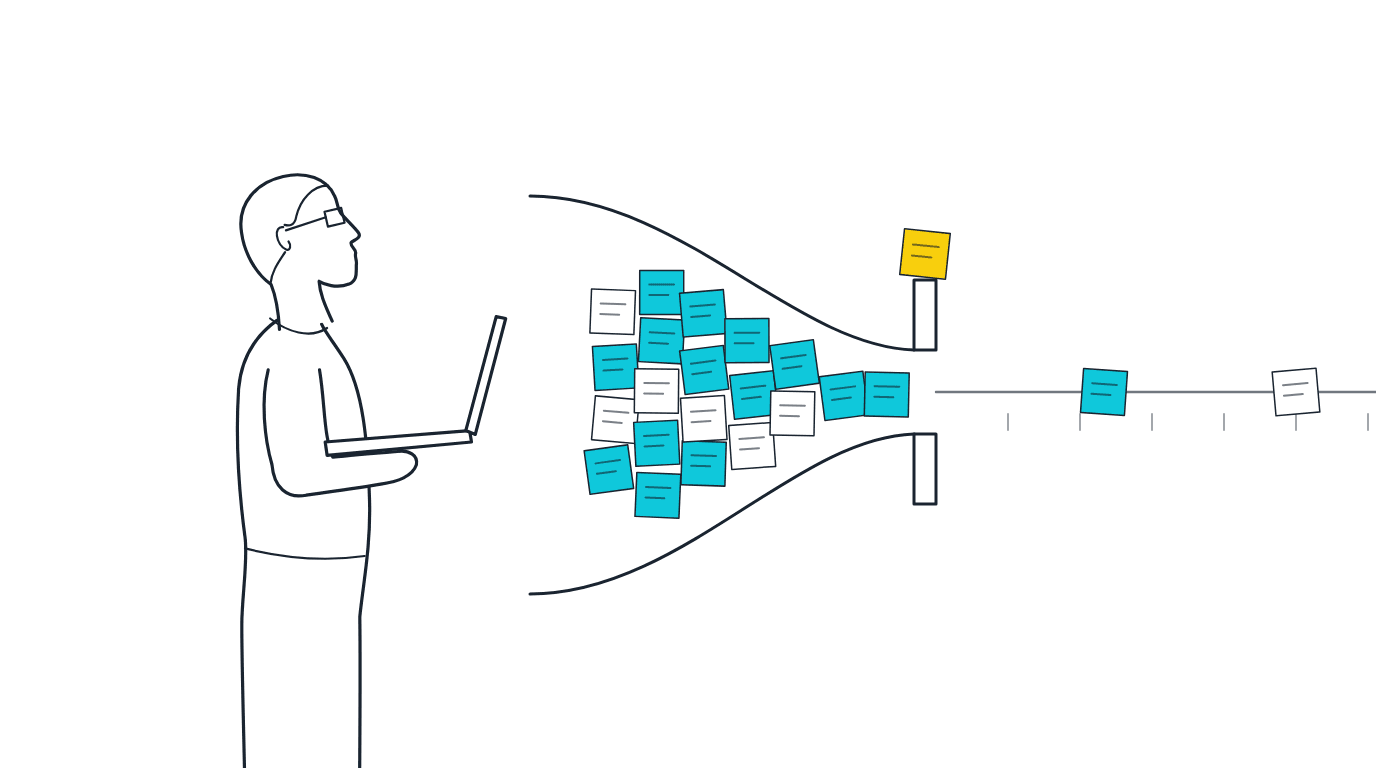
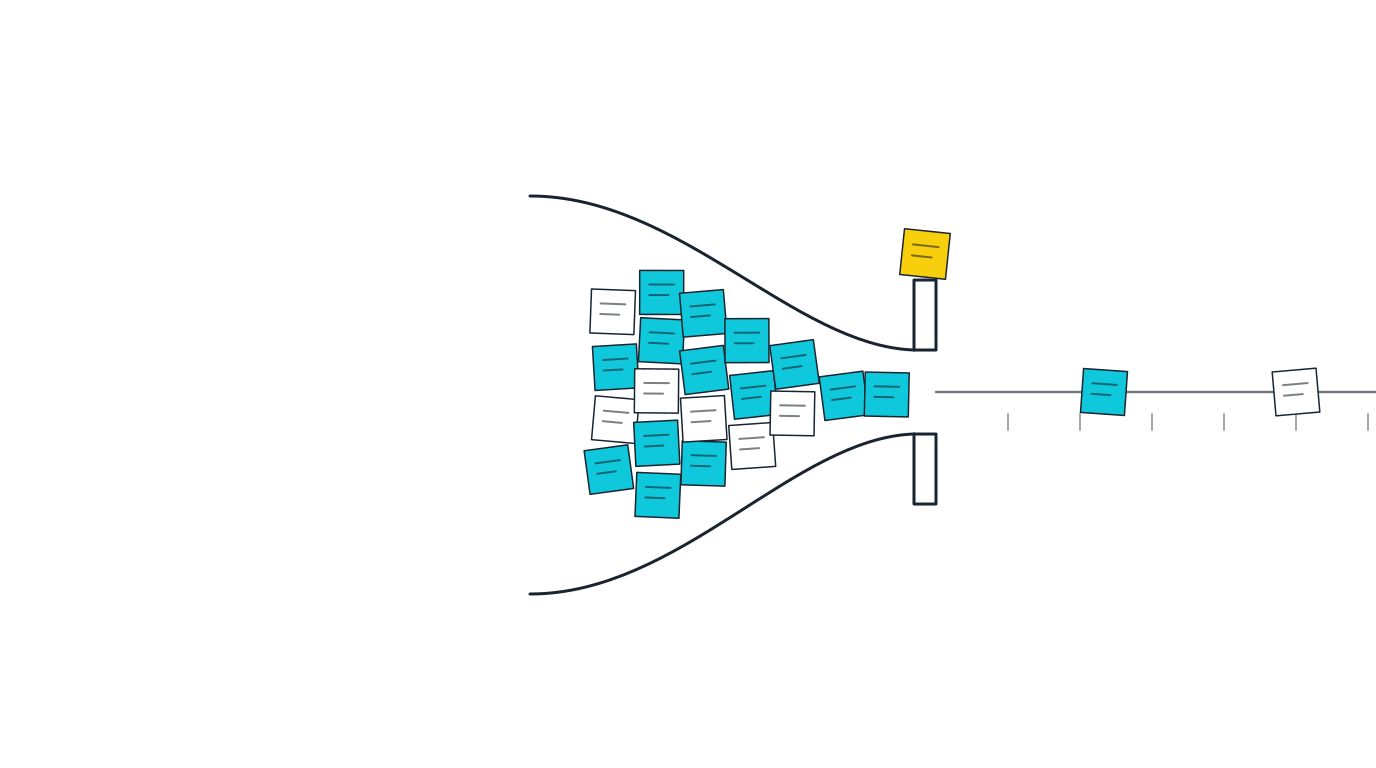
I wrote about the review queue in Your developers are faster. Your releases aren't. The code that waits is that problem. The code that merges unread is this one.
Fewer people now answer for more change
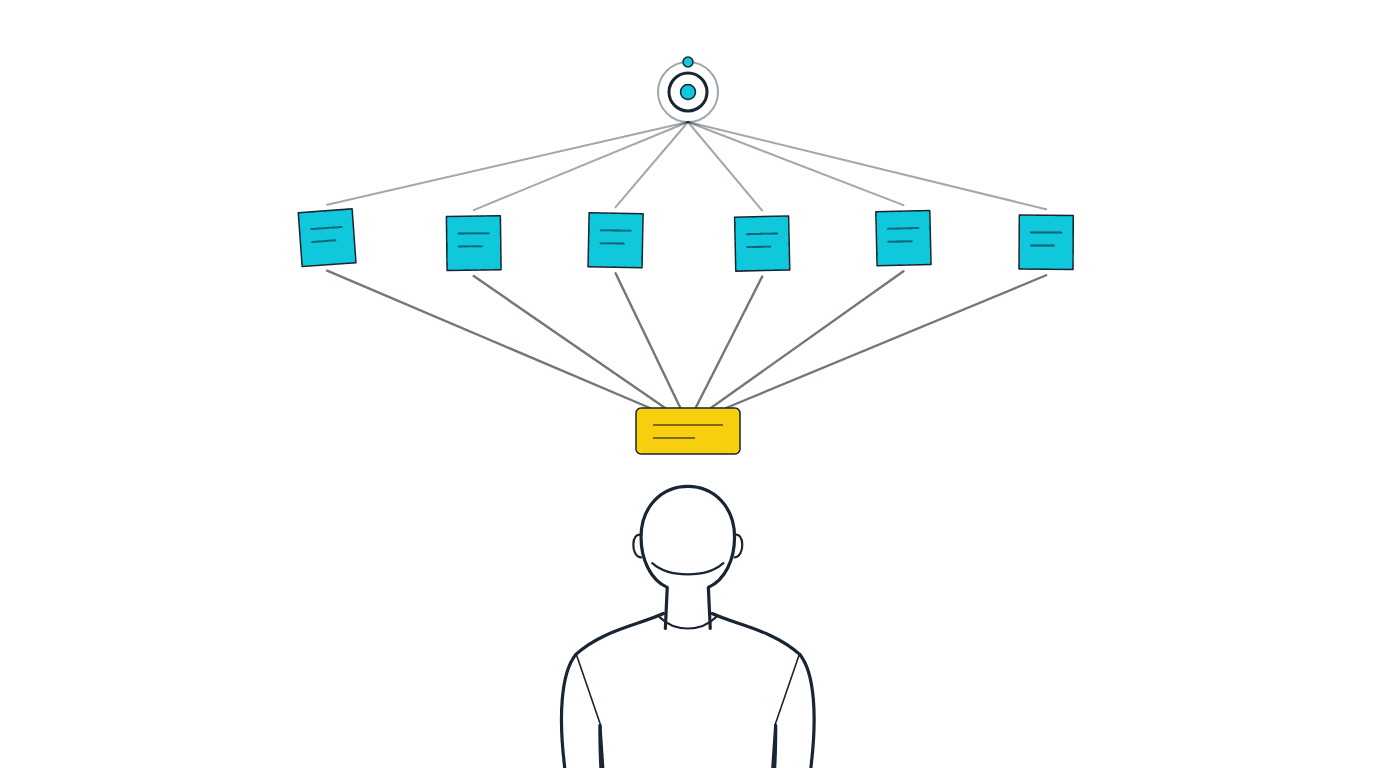
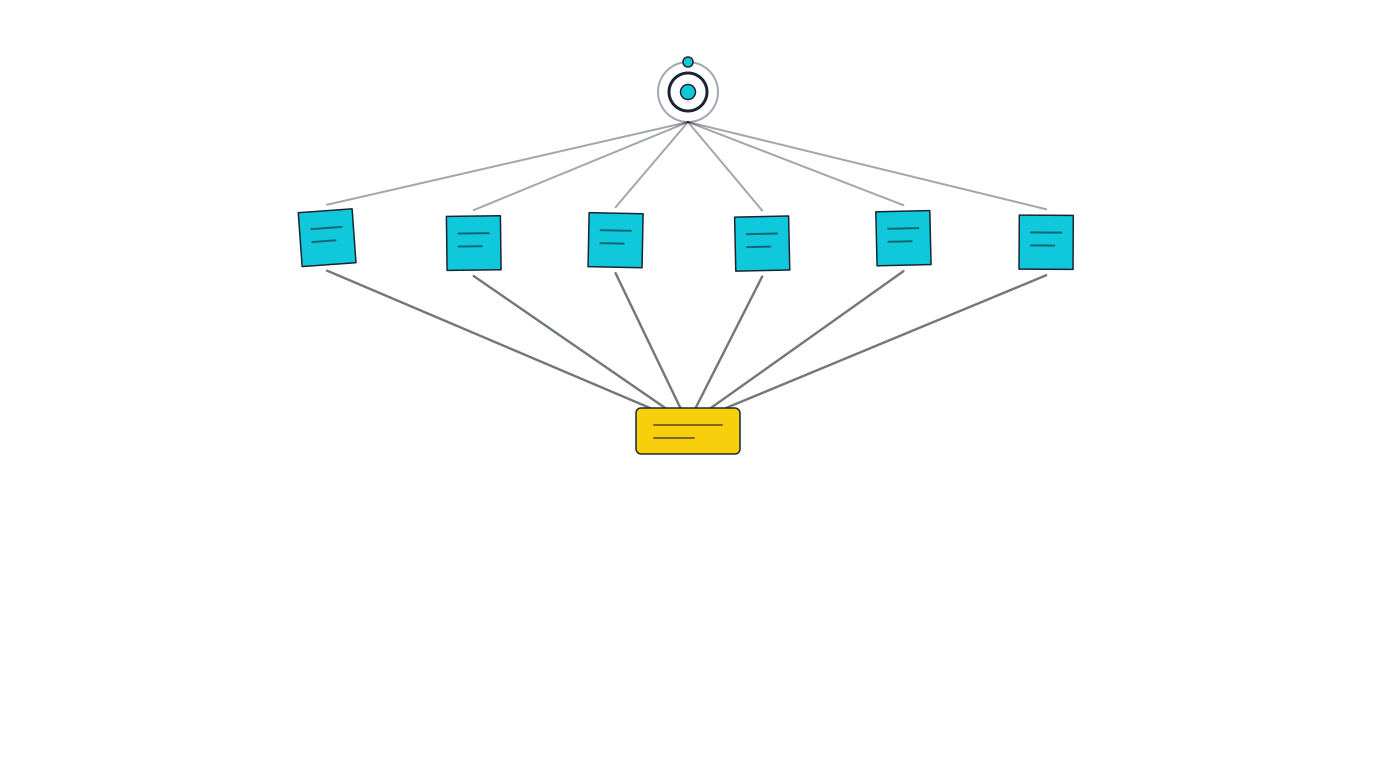
Put the two trends together. The volume of change goes up, and the number of people who review it, operate it and get paged for it goes down. Accountability does not shrink with the team. It lands on whoever is left, for systems they had less time to learn.
My colleague Brandon Bosco has written about why accountability stays human when agents do the work. His point is that an agent which gets most of a change right trains its reviewer to stop reading. Cut the reviewers, and the ones who remain have less time for each change.
Nobody has shown that this happened at any of the seven organizations. It is the mechanism I would look for in my own.
The companies that bill by the token are selling the opposite story
In March 2025 Anthropic's chief executive, Dario Amodei, said AI would be writing 90% of code within three to six months and nearly all of it within twelve. That same month OpenAI's chief executive, Sam Altman, said each engineer would do much more for a while, and that companies might then need fewer engineers.
Both men may be right about the technology. Both also run companies that are paid by the token, and a supplier's forecast of how much of its product you will need deserves a second look.
The pitch has reached the org chart. In April, Meta took down an internal leaderboard that ranked more than 85,000 employees by how many tokens they used. Token count had become a stand-in for productivity.
Tokens buy output. Understanding still has to be built by a person, and a budget that swaps payroll for tokens removes the people who would build it.
Five signs you are carrying it
You can check each of these this week with tools you already have.
- Name your three most critical services and ask who could explain how each one fails without opening the code. Count the names.
- Compare approval times with change sizes. Nobody read an 800-line change that was approved in four minutes.
- Look at your last three incidents and note how much of the first hour went to working out what the system does.
- Count the changes that merged with no human review. Your source control already has the number.
- Ask the author of a recent AI-assisted change why it takes the approach it does. An answer of "the agent chose it" is a finding.
Who can explain how each service fails?
Example team
| Service | Ari | Jo | Sam |
|---|---|---|---|
| Sign-in | Explained a failure | No walkthrough yet | Explained a failure |
| Receipts | No walkthrough yet | Explained a failure | No walkthrough yet |
| Exports | No walkthrough yet | No walkthrough yet | No walkthrough yet |
Paying it down takes time from delivery
- Keep a named owner for every system, and make "can explain how it fails" part of what ownership means.
- Ask for the explanation in review. The author says in plain words what the change does and what happens when it breaks, before anyone approves it.
- Write the intent down before the agent writes the code. Carter Musick makes the case for specs first.
- Use the AI to learn the system. In Anthropic's trial, the engineers with stronger scores "used AI assistance not just to produce code but to build comprehension."
- Before you remove a role, find out what that person is the last one to understand.
Each of these takes time from delivery. I think it is time well spent, because the alternative is finding out during an incident.
The seven organizations will publish their postmortems. The rest of us should work out who could write one for our own systems.
What we do at Sigao
We build software with AI agents and we coach teams that do, so we have every commercial reason to tell you to buy more tokens. Our own rule is that everything AI-influenced in production has a named human owner, and that the intent is written down before an agent writes the code.
When we work with a client's team, we start by mapping how work gets from request to release. The map shows where changes wait and where they are approved unread, which is where understanding debt collects. A value-stream assessment gives you that picture of your own delivery.
Sources
- Samantha Subin, "Widespread outages hit banks, air travel, the NSA and Apple", CNBC, November 17, 2026: the list of outages, stated causes and Jay Clayton's statement.
- Nick Lichtenberg, Fortune, November 17, 2026: Markwayne Mullin's remarks and the causes given by Microsoft, the FAA and JPMorgan Chase.
- Maria Tedesco, "LIST: A wave of outages hits US companies and government systems", The National News Desk, November 18, 2026: dates and stated causes, including Marriott.
- Raphael Satter, Trevor Hunnicutt, Nandita Bose and Bo Erickson, "Tech outage wave reaches US government; Trump says all is fine", Reuters, November 17, 2026, as republished by Internazionale: the staffing record, the statement that no evidence links job losses to the outages, and Liz Fong-Jones's remark.
- Anthropic, "How AI assistance impacts the formation of coding skills", January 29, 2026: a randomized trial of 52 engineers. It measured comprehension straight after one task.
- Faros Research, The AI Engineering Report 2026, April 12, 2026: two years of telemetry from 22,000 developers. It is vendor data.
- Peter Naur, "Programming as Theory Building", 1985.
- "Comprehension Debt in GenAI-Assisted Software Engineering Projects", arXiv, April 2026: the term and its attribution to Jason Gorman.
- ITPro, on Dario Amodei's prediction at the Council on Foreign Relations, March 10, 2025.
- Slashdot, "OpenAI CEO Altman Says AI Will Lead To Fewer Software Engineers", March 25, 2025: a summary of his interview with Stratechery.
- Gergely Orosz, "The Pulse: 'Tokenmaxxing' as a weird new trend", The Pragmatic Engineer, April 23, 2026: Meta's token leaderboard.