


Owns how Sigao builds, deploys, and validates AI agents inside delivery work. If a pattern hasn't survived a real engagement, it doesn't make the deck.
Voted most likely to get into a bar argument over Wes Anderson.
The background.
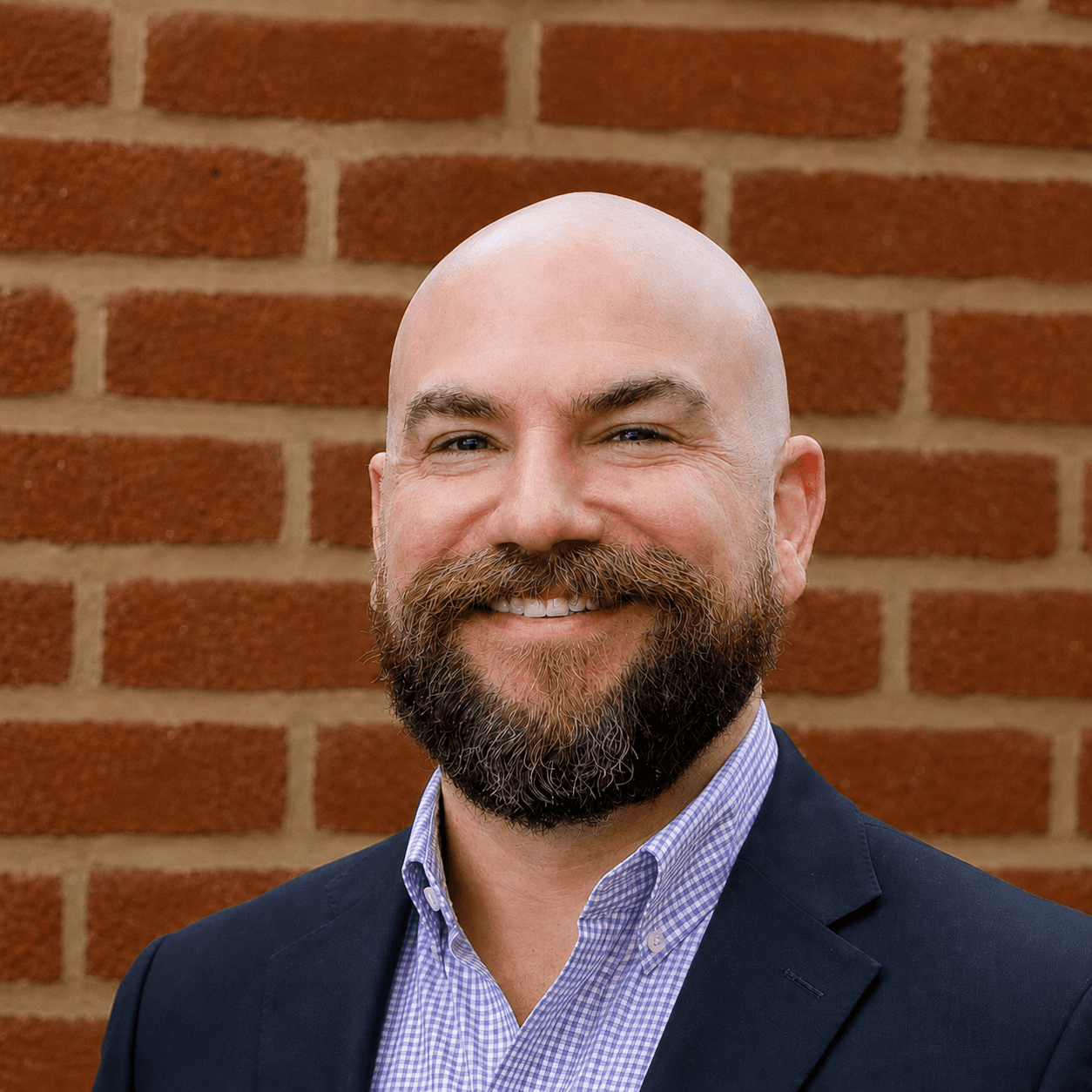
Brandon describes himself as a builder, and he is not picky about the material: software, teams, contracting models, business processes. His first job was on GIS systems, and the through-line since has been technology pointed at problems that were genuinely complicated rather than merely new. He has done nearly every job in the software lifecycle at least once, from writing the code to defining the delivery model it ships through, and he uses that range less to talk about what software can do than to decide where it should be applied at all, so it does the most good for the least cost.
The early résumé is state government and enterprise systems. As a student developer at the University of Alabama’s Center for Advanced Public Safety he built ASP.NET MVC form-submission sites for state agencies and real-time visualizations for a fraud-detection and analytics engine. A summer at BMW had him building AngularJS content architecture and responsive layouts with the design team. Then came Alabama CARES, the state’s combined Medicaid eligibility and enrollment system on Dynamics CRM, where as a senior developer he owned front- and back-end architecture, wrote the standards for form-level JavaScript and C# plugins, and spent a good share of his time teaching other developers how the platform actually behaved.
He co-founded Sigao in 2017 as its senior engineer, designing the Angular front-end architecture behind scalable single-page apps, building the .NET Core services that stitched them into Dynamics 365 and other systems, and taking on the role of the person who tries a new technology first and then teaches everyone else. From 2020 he ran the business side as lead product owner: repositioning development resources as markets moved, reworking contracting models so the terms were good for the client and for Sigao, and shaping how the firm talked about itself.
How Brandon runs the work.
- i.Start with clear ownership and guardrails.Before automating anything, we want to know who owns the decision, what the agent can do on its own, and where a person needs to step in. Those boundaries matter more than a list of what the technology is capable of.
- ii.Make the work clear before giving it to an agent.If a process is hard for a person to understand, giving it to an AI agent usually doesn’t fix the problem. Define what needs to happen, what the constraints are, and what “done” looks like. That gives both people and agents something concrete to work from.
- iii.Measure whether it actually improves delivery.We care less about things like token usage or how impressive a demo looks and more about whether the system helps the team ship useful work faster and with less rework. The goal is better outcomes, not just more AI.
- iv.Keep people accountable for the outcome.Agents can speed up the work, but they don’t own the result. Anything that reaches production should have a person responsible for it. When something goes wrong, we want to understand what failed in the process, controls, or implementation rather than stopping at “the model got it wrong.”



30 minutes, no pitch
The people on this site are the people on the call.
Book a discovery call and you’ll talk to one of the practitioners, not a sales team. We’ll ask hard questions and tell you honestly whether we’re the right fit.